

The success of a dental implant procedure is not only dependent on surgical precision but also on strict post-treatment care. After treatment, there can be restrictions in terms of food and lifestyle. These restrictions aim to ensure rapid healing of the implants and minimize the risk of infection.
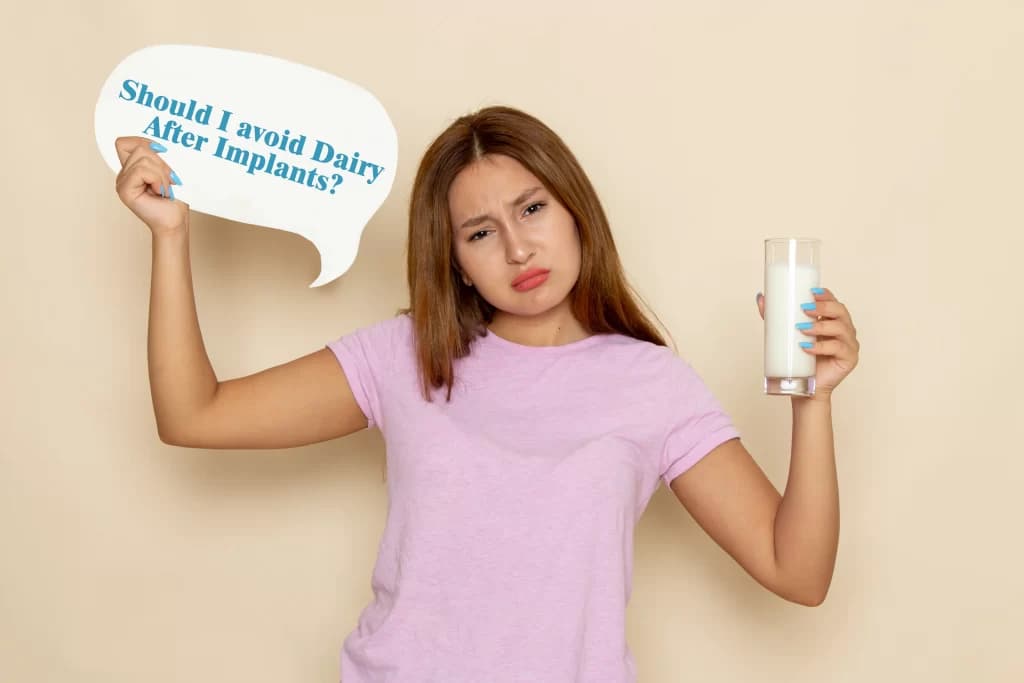
Dentists often advise against consuming dairy products after a dental implant. While dairy products are known to be rich in nutritional value, they are often avoided after procedures like dental implants. Let us discuss the reasons behind avoiding dairy products after dental implants, examine healthy post-treatment diet plans, and consider alternative calcium sources.
Key Reasons to Avoid Dairy Following Dental Implant Surgery
Avoiding dairy products post-dental implants can be crucial for quick healing. While dairy products are nutritious, they may pose risks that can affect the healing time and the effectiveness of the implant. Here are a few reasons why no dairy after a dental implant should be considered.
- Risk of infection: Dairy products can be a breeding ground for harmful bacteria such as Listeria, Salmonella, and E. coli if not pasteurized. While these bacteria are typically harmless, they can become dangerous following dental implant surgery. After dental implant surgery, our immune system is focused on healing the site, making it vulnerable to bacterial attacks.
- Lactose Intolerance Concern: Lactose intolerance is widespread, with experts estimating that many adults experience digestive discomfort after consuming dairy products. For patients recovering after surgery, this can add unnecessary discomfort and stress.
- Allergic reaction: Dairy allergies are different from lactose intolerance, and they can be more dangerous because they involve reactions such as swelling, wheezing, hives, and digestive problems.
- Discomfort during the healing process: Dairy consumption can result in inflammation in specific individuals, increasing bacterial production. The dairy product sticks to the implant site, creating the ideal breeding ground for bacteria.
- Interference with antibiotics: Dairy products have high calcium concentration, and it is crucial for quick healing and the success of dental implants. However, consuming dairy products can interfere with the effective absorption of antibiotics.
What are the alternatives you can try instead of dairy for calcium?
Calcium plays a crucial role in the implant recovery period and the long-term success of dental implants due to its importance in bone health and healing. Instead, there are many calcium-rich alternatives you can try.
- Green leafy vegetables like collard greens, bok choy, turnip, and Brussels sprouts are high in calcium.
- Fortified foods like cereals and plant-based milk have high calcium values.
- Beans and lentils, including black beans and chickpeas, can increase calcium intake and provide fiber and protein necessary for the healing process.
- If you enjoy fish, consider trying canned salmon and sardines with bones to improve your calcium intake.
What type of food should you eat after a dental implant?
Diet is a crucial component of the post-treatment routine for dental implants. The diet plan during recovery is different for every person. Here are some general guidelines you may follow.
- Soft foods: For the next few days after the dental implant surgery, strictly stick to soft foods only that require minimum chewing. Lactose-free yogurt, mashed potatoes, oatmeal, and scrambled eggs are some examples of soft foods rich in nutrition.
- Nutrition-rich diet: Foods rich in protein, vitamins, and minerals can promote healing. So, foods high in protein and vegetables with vitamins should be included in your diet.
- Cold foods: Cool or slightly warm foods can help reduce the swelling. Avoid hot food as it can be uncomfortable and interfere with healing.
- Balanced diet: A balanced diet that includes a variety of fruits, vegetables, soft proteins, whole grains, and fats should be beneficial for your oral health and quick recovery.
How long should you wait before consuming dairy after a dental implant?
Dairy products can be essential to your post-treatment diet, but you need to know when you should reintroduce dairy after a dental implant. After surgery, it is often advisable to avoid dairy products for 24 to 72 hours, especially if prescribed antibiotics.
Once the initial healing phase is over, you can reintroduce dairy gradually into your diet. Also, your tolerance and the advice of your dentist are essential considerations to determine when you can start to consume dairy after a dental implant.
Upper East Dental Renovations: Schedule Your Dental Implant Today
Dental implants are an excellent solution for addressing missing teeth. If you are in New York and search for dental implants near me, you will find Upper East Dental Innovations PLLC to discuss and answer your needs. We are committed to giving you a beautiful smile on your face with the best dental implant in NYC.
Final Thoughts
Although dairy products offer numerous benefits, it is often recommended to avoid them immediately after dental implant surgery to minimize discomfort and support proper healing. Instead of dairy products, you can also try other calcium-rich foods. Initially, you should stick to the advised diet from the dentist, and once the initial healing period is over, you can reintroduce dairy products slowly.