

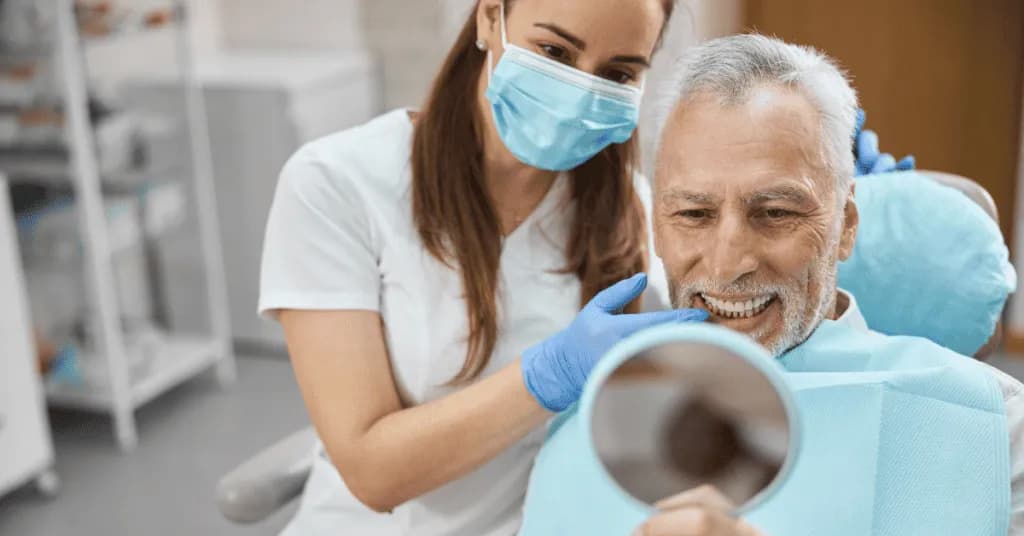
Congratulations on your new dental implant! You have taken the step towards restoring your smile and oral health. To ensure the success and longevity of your dental implant, it is crucial to follow proper aftercare procedures. In this comprehensive blog post, we will provide you with all the essential information and tips for post-dental implant care.
What can you eat after dental implants?
After dental implant surgery, it is important to follow a diet that promotes proper healing and minimizes the risk of complications. Here is a list of foods you can eat following dental implant surgery.
- Soft Foods: Right after surgery, prefer a soft food diet. Examples include mashed potatoes, apple sauce, yogurt, pudding, and oatmeal.
- Blended Soups: Pureed or smoothly blended soups are nutritious and easy to eat. Choose soups like butternut squash, tomato bisque, or cream of broccoli.
- Protein Sources: Make sure you consume adequate protein to assist tissue repair, such as scrambled or poached eggs, cottage cheese, soft tofu, ground or minced meats, and flaked fish.
- Cooked Vegetables: Soft, well-cooked vegetables like carrots, peas, and green beans are good. Avoid uncooked or crunchy vegetables during the early healing stages.
- Fruits: Opt for ripe and soft fruits such as bananas, melons, and avocados. Avoid fruits with seeds or tough skins.
- Dairy Products: Dairy can be a good source of calcium and protein. You can choose soft dairy products like yogurt, pudding, and cottage cheese.
- Beverages: Stay hydrated with plenty of water. Herbal teas, lukewarm broth, and room-temperature drinks are suitable choices.
- Ice Cream: Some people find that cold foods like ice cream can soothe the surgical area and relieve swelling.
What to avoid after dental implant surgery?
- Hard and Crunchy Foods: Avoid hard and crunchy foods, such as nuts, popcorn, chips, and hard candies.
- Chewing on the Implant Site: Avoid chewing directly on the implant area, which could harm the implant or adjacent tissues.
- Sticky Foods: Foods like caramel, taffy, or chewing gum can adhere to the surgical area and disturb healing.
- Hot and Spicy Foods: Hot and spicy foods can cause discomfort and irritation to the surgical site.
- Alcohol and Tobacco: Both alcohol and tobacco can hinder the healing process and increase the risk of complications.
When can you resume a normal diet after dental implants?
The timeline for when you can eat normally after getting dental implants can vary from person to person. It depends on several factors, including your individual healing process, your overall health, the complexity of the procedure, and the guidance of your dental professional.
Immediate Post-Surgery: Directly post-surgery, avoid eating until the anesthesia subsides, usually a few hours. During this time, it is crucial to be cautious and not chew on the surgical site to prevent any damage.
Initial Healing Period: In the first two weeks, you will need to stick to a soft diet. You can consume foods such as mashed potatoes, yogurt, pudding, smoothies, and soup. Avoid hot, crunchy, or very hot foods during this phase.
Ongoing Healing: The complete healing process for a dental implant can take several months. During this time, the implant is integrating with your jawbone. They may gradually introduce firmer foods into your diet as the healing progresses. However, you should still avoid hard or sticky foods that could stress the implant site.
Final Restoration: Once the implant has fully integrated with the bone, and the abutment and crown have been placed, you can return to a more normal diet. You will likely be able to eat most foods without major restrictions.
Dental Implant Aftercare: Smile with Confidence
Proper dental implant aftercare is essential for the long-term success of your implant. By following these guidelines and maintaining good oral hygiene, you can enjoy a beautiful, functional smile for years to come.
Immediate Post-Procedure Care
- After the implant surgery, it is required to get plenty of rest to aid the healing process.
- Apply an ice pack to your cheek for 20 minutes at a time to reduce swelling during the first 48 hours.
- You can take prescribed pain medications as directed by your dentist to manage discomfort.
- Stick to a soft diet for the first few days to avoid putting too much pressure on the implant site.
Oral Hygiene
- Carefully brush your teeth, including the implant, using a soft-bristle toothbrush.
- Avoid flossing directly around the implant site during the initial healing phase.
- Use a dentist-recommended mouthwash to help keep the area clean.
Diet
- Stick to a soft diet for a week or as advised by your dentist.
- Avoid hot, spicy, and hard foods that may irritate the surgical site.
- Stay hydrated and avoid alcohol and tobacco, as they can slow down the healing process.
Long-Term Care
Upper East Dental Innovations PLLC provides you with the opportunity to continue with regular dental checkups. Our trained dentists will guide you on what to avoid and how to care for your dental implant during the recovery period.